There is a reason why nobody remembers corporate training slides two weeks later. The human brain was not built to absorb critical safety protocols from a bullet-point list in an air-conditioned room. This disconnect is dangerous when the trainees are coal mine supervisors—the people responsible for lives in high-risk zones surrounded by explosive dust and unstable geology.
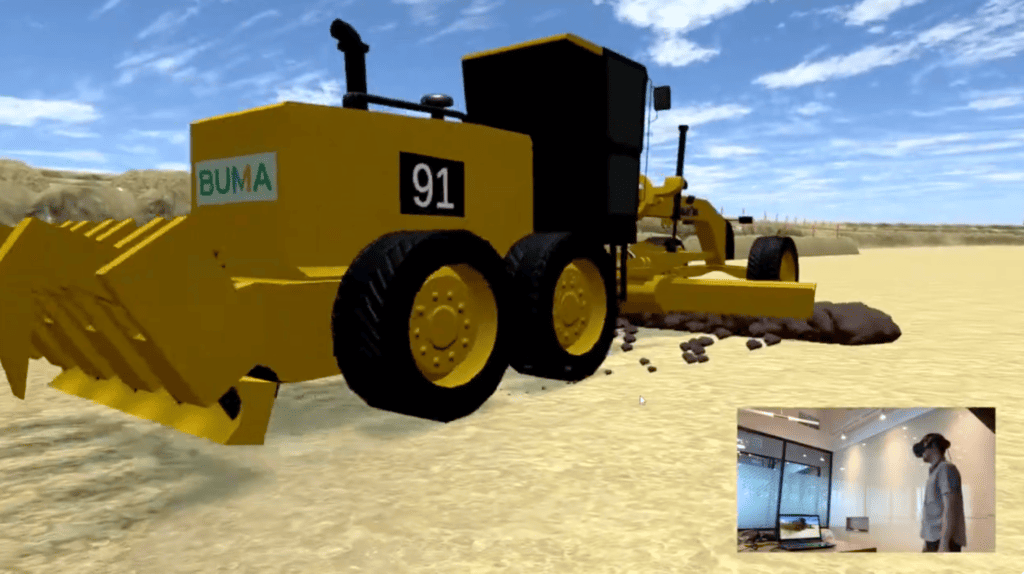
This is the failure point Virtu is fixing. Their VR-based supervisor training drops professionals into realistic underground theaters. They have to identify hazards and execute protocols under pressure before stepping into a real pit. The gap between knowing a procedure and feeling it is enormous. VR closes it.
The Retention Crisis in HSE
Ask any mining safety officer what keeps them awake. It isn’t a lack of policy; it’s whether the supervisors actually internalized it. Conventional classroom training has a dirty secret: retention is a joke. Studies show passive, lecture-based learning results in less than 20% recall after a month. For a supervisor who needs to spot a ventilation failure or a roof shift, that forgetfulness is lethal.
Virtu flips the model. Instead of watching a video on gas detection, supervisors physically navigate a virtual mine, hit a simulated leak, and run the evacuation in real-time. This builds experiential memory. It sticks because the body went through it.
1,000 Sessions and Counting
The metrics prove the shift. Within three months of launch, Virtu’s coal mine supervisor VR logged over 1,000 sessions across seven Indonesian facilities. This isn’t a pilot program; it’s an organic adoption driven by field results.
Each session immerses the supervisor in scenarios taken from actual incident reports: equipment failure, roof falls, and low-visibility evacuations. The training is visceral. That quality is why participants report feeling significantly more prepared compared to their previous classroom-only “deaths by PowerPoint.”
The Burden of Command: Why Supervisors?
There’s a misconception that only frontline workers need hands-on reps. In reality, supervisors carry the heavier load. They have to scan the entire operation for risk, decide whether to halt production, and lead the response when things go sideways. A supervisor who has never felt the chaos of an emergency—even virtually—is making decisions based on imagination, not preparation.
Virtu’s program targets this specific gap. The scenarios build the decision-making muscle required to act when everyone else freezes. In coal mining, that distinction is the difference between a minor incident and a disaster.
The New Standard
The trajectory is clear. What started as an alternative to slide-based training is becoming the industry benchmark. As Indonesia’s mining sector faces tighter regulatory heat and safety scrutiny, tools like Virtu’s VR platform are moving from “innovative” to essential infrastructure.
The industry is moving toward a reality where “Zero Risk” training is the only acceptable baseline. The question isn’t whether VR will dominate; it’s how fast the traditionalists will realize they’ve been left behind.